Research
Crosstalk between the nervous and intestinal systems
We aim to understand how this crosstalk restores tissue homeostasis and prevents disease, identifying the neuro-regulated mechanisms that help the gut heal after injury and prevent chronic neurological and intestinal disorders, including cancer. Our studies address three basic unanswered questions.
Which mechanisms tilt the scales between wound healing and tumorigenesis?
How a tissue returns to homeostasis after injury is a fundamental unresolved question in regeneration. The answer matters beyond repair itself, as the same events can worsen disease progression in disorders like cancer.
We previously discovered that in the fly gut, Ca2+ waves across the intestinal epithelium promote homeostasis after injury, whereas their loss drives intestinal stem cells to overproliferate and leaves the gut prone to tumorigenesis. We are now combining fly genetics and mouse intestinal organoids with advanced microscopy, high-resolution multiplexed immunofluorescence and multi-omic approaches to unravel the bioelectric mechanisms downstream of those waves, and to learn what guides a conserved pathway toward wound healing rather than tumor growth.
- Fly genetics
- Mouse intestinal organoids
- Advanced microscopy
- Multiplexed immunofluorescence
- Multi-omics
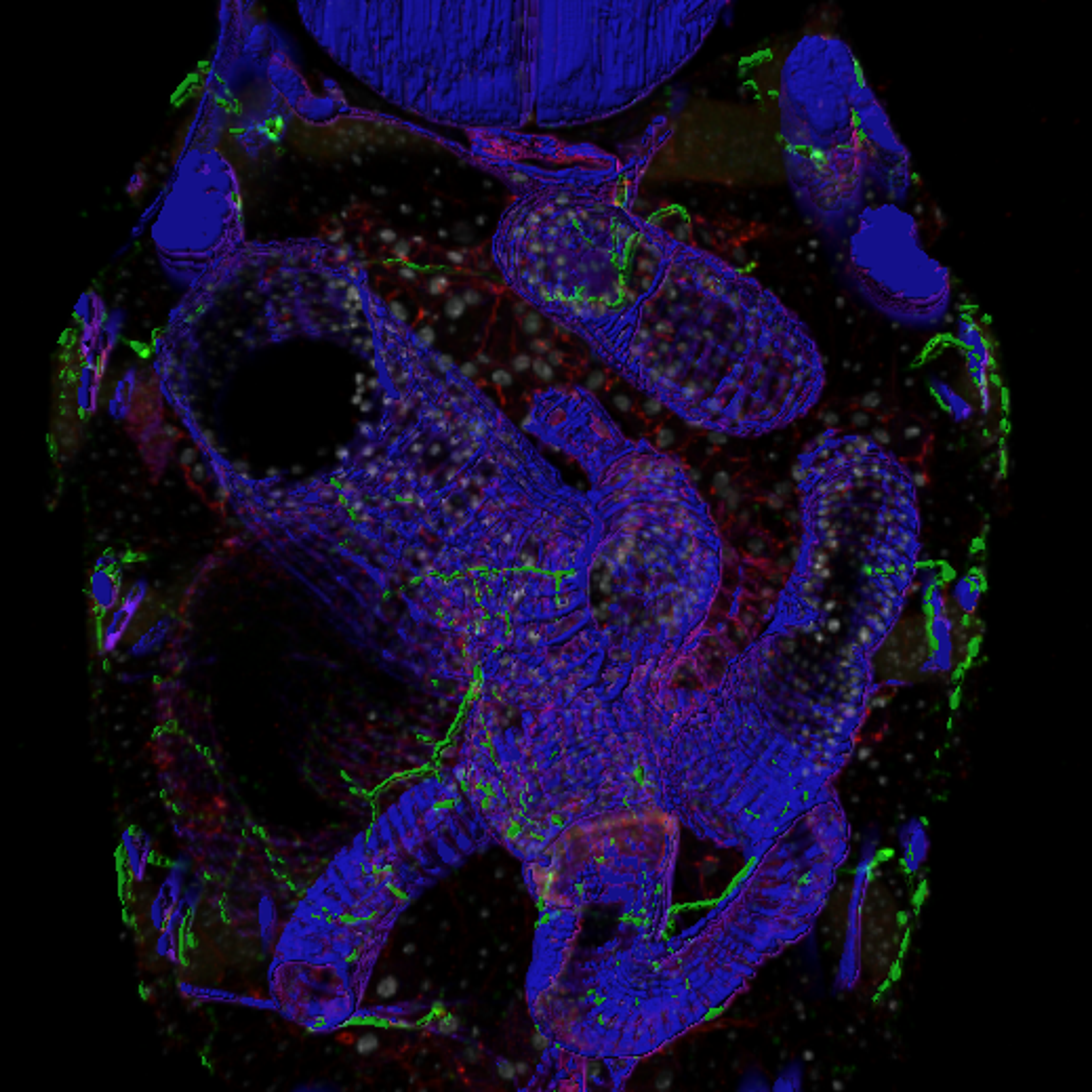
How do peripheral neurons impact intestinal tumor growth?
A vital unresolved question in cancer neuroscience. The tumor microenvironment is thought to reprogram the function of peripheral neurons, but the mechanisms behind that takeover remain unknown.
We previously characterized a small population of cholinergic enteric neurons in the fly, which we named ARCENs (Anti-inflammatory Recovery Specific Enteric Neurons). They promote rapid repair of the intestinal epithelium, and disturbances in their signaling promote tumorigenesis. Because ARCENs signal directly to the gut, they give us a simple bidirectional model in a living animal. Using the powerful genetic toolkit available in Drosophila, we combine thermo- and optogenetic perturbations with spatial transcriptomics to identify how neurons change as an intestinal tumor grows, and to reveal how the gut tumor microenvironment hijacks them.
- Drosophila genetics
- Thermogenetics
- Optogenetics
- Spatial transcriptomics
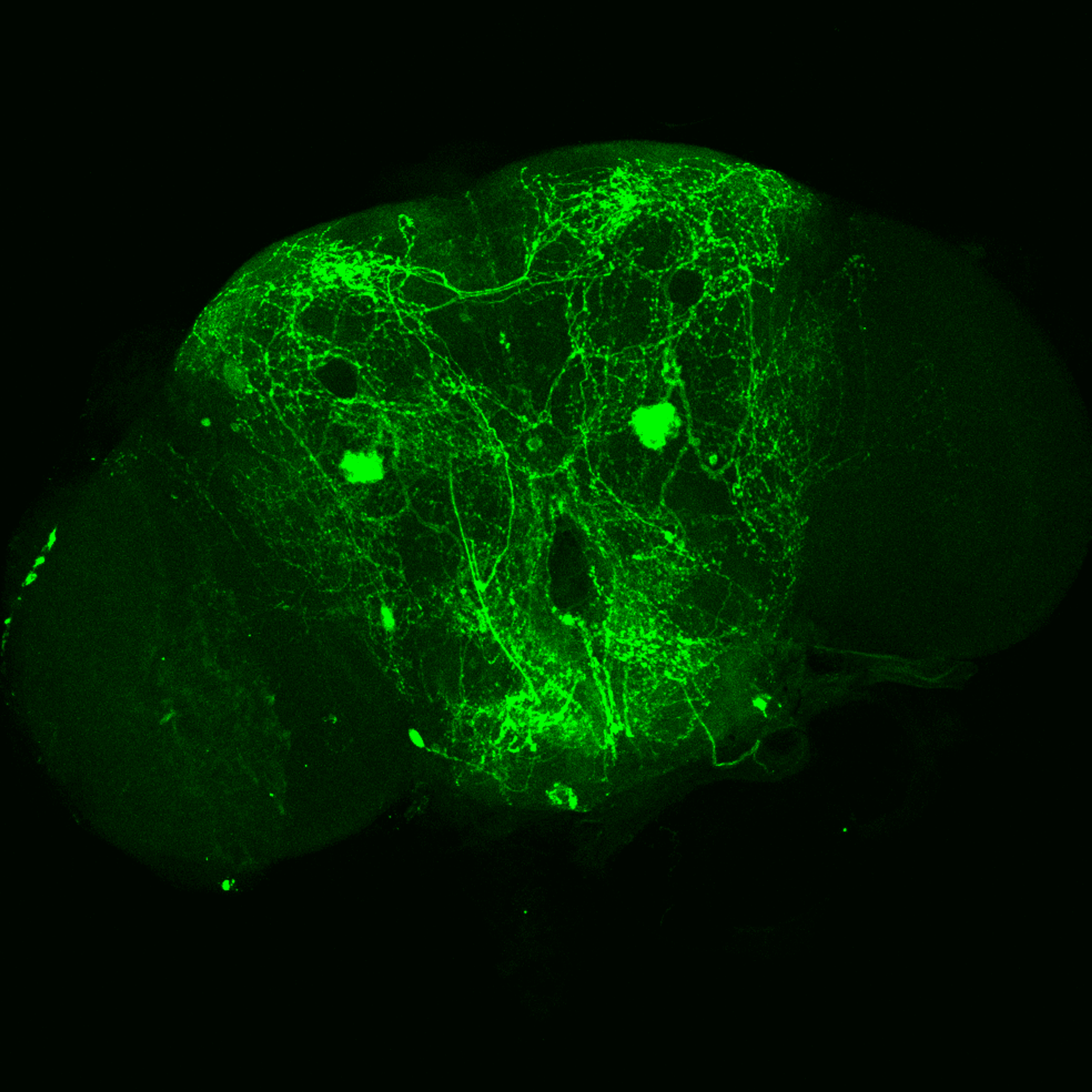
How do changes in feeding behavior alter cancer progression?
Cancer cachexia is a complex, lethal syndrome of organ wasting, and loss of appetite is one of its earliest signs. Yet why feeding changes so early remains unclear.
We previously discovered that inflammation and low insulin signaling impair feeding pathways in the fly brain and cause early appetite changes, making the animal prone to protein malnutrition, which in turn worsens organ wasting. Drosophila is a powerful system for studying organ communication, tumor growth and feeding behavior together, so we are using it to decipher how an amino-acid feeding imbalance guides the earliest aspects of organ wasting. Those early events are where diagnostic markers and therapeutic targets are most likely to be found.
- Drosophila genetics
- Feeding behavior assays
Funding partners
The work on this page is supported by the following organisations.